
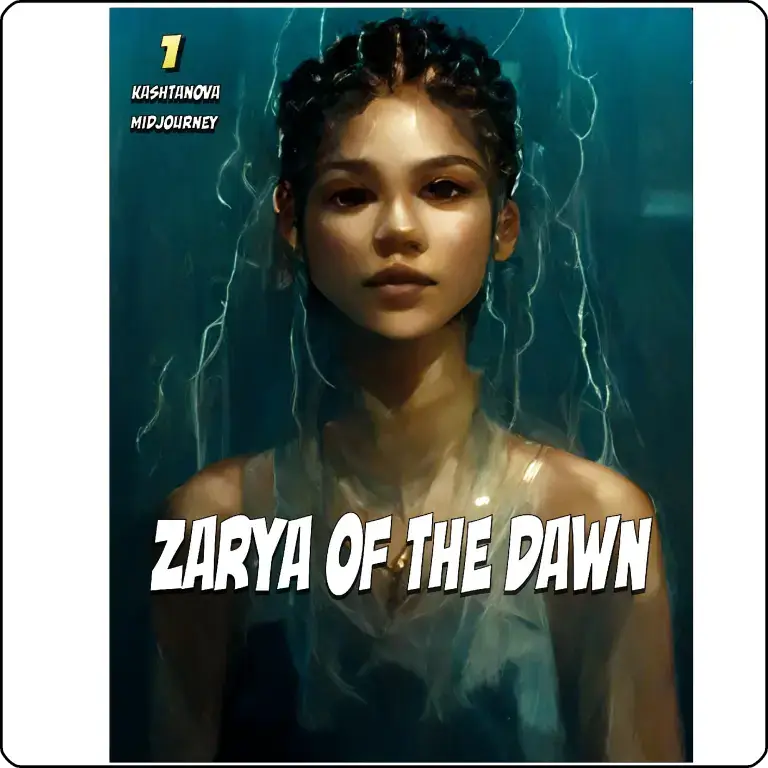
Creating comic books used to require drawing skills, design software, and a lot of time. Now, an AI comic generator can help you turn ideas into comic panels, scripts, and polished pages much faster, which is especially useful for beginners, solo creators, and affiliate publishers who want to produce content consistently.
Products by Category
-
Activate Your Genius: Power Your Comic Creations!
-
AI Tools for Everyday Life Review: The Smartest AI Productivity Guide for Beginners in 2026
-

His Secret Obsession
-

Learn Affiliate Marketing like a PRO E-Book
-
Power Your Freedom: The Clean Energy Revolution Is Here!
-

Ted’s Woodworking Review | 16,000+ DIY Woodworking Plans
Best AI Tools to Create Comic Books in 2026
If you want to create comic books with AI, the best tools today do more than generate images. They help with writing, panel design, character consistency, page layout, and fast content production. That means you can go from a rough idea to a shareable comic much faster, even if you are not an illustrator.
The challenge is choosing the right tool. Some platforms are better for scripting, some for visual design, and some for full comic production. Below, I’ve broken down the best AI tools for comics based on ease of use, output quality, beginner-friendliness, and affiliate potential.
| Tool | Best For | Main Strength | Free Plan | Beginner-Friendly | Best Use Case |
|---|---|---|---|---|---|
| Canva | Layout and finishing | Easy drag-and-drop comic page design | Yes | Yes | Simple comics, marketing comics, web stories |
| Jasper AI | Writing scripts and story ideas | Strong copy and storytelling support | Trial varies | Yes | Comic scripts, character dialogue, plot outlines |
| Writesonic | Fast AI writing | Blog-to-script and prompt generation | Yes | Yes | Story drafts, niche comic content, affiliate content |
| Adobe Firefly | AI images with brand safety | High-quality visuals and creative control | Yes | Moderate | Professional-looking panels and concept art |
| LlamaGen | Comic-focused generation | Built for comic storytelling workflows | Limited | Yes | Full comic creation, manga-style stories |
1) Canva
Canva is one of the easiest tools to start with if you want to make comic pages without learning complex software. It is not a pure AI comic generator, but it is excellent for assembling panels, adding speech bubbles, and building a clean final layout.
It works especially well for creators who already have AI-generated images from another tool and want to turn them into a readable comic book.
Why it works well
- Drag-and-drop comic page design.
- Easy text boxes and speech bubbles.
- Huge template library.
- Simple export options for PDF, PNG, and social sharing.
Real-world use cases
- A teacher creating educational comic strips.
- A marketer turning a product story into a branded comic.
- A YouTube creator making thumbnail-friendly comic scenes.
- An affiliate blogger building visual story content for more engagement.
Pros
- Very easy for beginners.
- Great for page layout and polished presentation.
- Fast workflow for mobile-friendly content.
- Useful even if you use another AI tool for images.
Cons
- Not a dedicated comic generator.
- AI image output is less specialized than comic-first tools.
- Character consistency can be difficult across multiple panels.
CTA Button
2) Jasper AI
Jasper AI is a strong choice if you need help with story structure, dialogue, and comic scripting. It is not designed mainly for artwork, but it can help you build the written foundation of a great comic. For creators who want to create comic books with AI, writing quality matters just as much as visuals.
If your workflow starts with a character idea, scene outline, or episode concept, Jasper can speed up the storytelling process significantly.
Why it works well
- Generates story ideas, scene descriptions, and dialogue.
- Helpful for comic narration and character voice.
- Good for building multiple comic episodes quickly.
- Useful for creators who also publish blogs or affiliate content.
Real-world use cases
- Writing a superhero origin story.
- Creating dialogue for a short webcomic.
- Building comic scripts for a brand mascot.
- Drafting story-based content for an affiliate audience.
Pros
- Strong writing quality.
- Great for brainstorming and plot expansion.
- Saves time for non-writers.
- Useful across many content formats beyond comics.
Cons
- Not an image generator.
- Still requires visual tools for full comic production.
- Can feel expensive for casual hobby users.
CTA Button
3) Writesonic
Writesonic is a smart pick for creators who want fast content generation with an SEO-friendly workflow. It helps with story ideas, scene writing, captions, and marketing copy, making it useful for comic creators who also care about traffic and monetization.
If you plan to publish comic-related pages, landing pages, or affiliate posts, Writesonic can support both the creative and commercial side of your project.
Why it works well
- Fast idea generation for comic scripts.
- Helpful for descriptions, summaries, and promotional text.
- Good for creators who need comic content plus SEO content.
- Easy to repurpose outputs for blogs, newsletters, and scripts.
Real-world use cases
- Turning a blog topic into a comic storyline.
- Writing short comic episodes for social media.
- Creating landing-page copy for a comic brand.
- Producing affiliate blog posts around comic tools.
Pros
- Good for speed.
- Useful for both creative and marketing content.
- Beginner-friendly interface.
- Helps support content workflows beyond comics.
Cons
- Not built specifically for comic art.
- Visual output depends on pairing it with another tool.
- Some outputs may need editing for tone and flow.
CTA Button
Generate Comic Ideas with Writesonic
4) Adobe Firefly
Adobe Firefly is a strong option if you want high-quality visual output and a more professional design workflow. While it is not a full comic production platform, it is excellent for generating images that can be assembled into comic panels later.
For creators who care about clean visuals, brand-safe production, and polished scenes, Firefly is one of the best AI tools for comics support work.
Why it works well
- Creates high-quality concept art and scene visuals.
- Integrates well with design workflows.
- Good for character concepts and background scenes.
- Useful for creators who want more control over style.
Real-world use cases
- Designing comic characters before panel creation.
- Creating fantasy or sci-fi background art.
- Generating ad-style comic visuals.
- Producing assets for web comics and branded stories.
Pros
- Professional visual quality.
- Good for polished creative work.
- Strong for concept art and asset generation.
- Useful in a wider Adobe workflow.
Cons
- Not a dedicated comic builder.
- Requires extra effort to arrange panels.
- Can feel more advanced for absolute beginners.
CTA Button
Create Comic Art with Adobe Firefly
5) LlamaGen
LlamaGen is one of the most relevant tools if your goal is to create comic books with AI from start to finish. It is built more directly around comic-style creation, which makes it appealing for creators who want story-driven output instead of just random art generation.
This is a strong choice for users looking for an AI comic creator free or low-cost option to experiment with comic storytelling before scaling up.
Why it works well
- Comic-focused workflow.
- Good for story-first creation.
- Useful for character continuity and repeated scenes.
- Better aligned with comic production than general image tools.
Real-world use cases
- Creating short manga-style episodes.
- Building a recurring comic character series.
- Drafting comic chapters for self-publishing.
- Producing content for webcomics or social platforms.
Pros
- Purpose-built for comic creation.
- Better storytelling alignment.
- Suitable for creators who want a comic-first tool.
- Great for rapid experimentation.
Cons
- Output quality can vary.
- May still need editing or layout cleanup.
- Free access may be limited depending on plan changes.
CTA Button
Best Choice by User Type
Different creators need different tools. Here’s the simplest way to choose:
- Best for beginners: Canva.
- Best for script writing: Jasper AI.
- Best for fast content and SEO: Writesonic.
- Best for polished art: Adobe Firefly.
- Best for comic-focused workflows: LlamaGen.
If you want the easiest path, start with Canva plus one writing tool. That combination gives you a practical workflow for making and publishing comics without overwhelm.
How to Choose
Before choosing an AI comic generator, think about your goal. Are you making a comic for fun, for social media growth, for a brand, or for affiliate monetization? The best tool depends on whether you need story writing, image generation, or page layout.
Use this simple filter:
- Need layout and publishing? Choose Canva.
- Need strong comic dialogue? Choose Jasper AI.
- Need quick written drafts? Choose Writesonic.
- Need art generation? Choose Adobe Firefly.
- Need comic-native output? Choose LlamaGen.
A good strategy is to combine tools instead of relying on one platform for everything. For example, use Jasper or Writesonic for the script, Firefly for art, and Canva for final assembly. That stack can produce a more professional comic than a single generic tool.
FAQ
What is the best AI comic generator in 2026?
The best option depends on your goal, but LlamaGen is the most comic-focused, while Canva is the easiest for beginners. If you want writing support, Jasper and Writesonic are excellent additions.
Can I create comic books with AI for free?
Yes, some tools offer free plans or trials, and Canva and Adobe Firefly are good starting points. A true AI comic creator free option may have limits, but it is enough to test ideas before upgrading.
Which AI tool is best for beginners?
Canva is the easiest for layout and final design, while Writesonic is simple for story prompts and script drafts. Beginners usually get faster results by combining one writing tool with one design tool.
Are AI-generated comics good enough to publish?
Yes, if you edit them carefully and make sure the story, layout, and branding are consistent. Many creators use AI to speed up production and then refine the final comic before publishing.
Do I need drawing skills to use an AI comic generator?
No, drawing skills are not required for most tools. You still need creativity, story structure, and basic editing, but AI handles much of the visual and writing work.
Which tools are best for affiliate marketers?
Canva, Jasper AI, and Writesonic are especially useful for affiliate marketers because they support both comic creation and content promotion. You can create comic-style ads, story posts, and visual blog content that helps convert better.
Is AI comic creation good for social media content?
Yes, comic-style content works very well on social platforms because it is visual, short-form, and highly shareable. It is a smart way to boost engagement, especially for brands and niche creators.
Conclusion
The best AI comic generator depends on how you want to work, but the strongest setup for most creators is a mix of writing, art, and layout tools. If you want the easiest start, Canva is the most beginner-friendly, while Jasper AI and Writesonic help with script creation, and Adobe Firefly and LlamaGen help with visuals and comic-focused production.
For the best results, choose one tool for writing, one for images, and one for page design. That simple stack makes it much easier to create comic books with AI that look polished, read well, and convert attention into clicks, subscribers, or sales.
Ready to build your first AI comic? Start with the easiest tool, create one short story, and turn it into a repeatable content format you can publish again and again.